
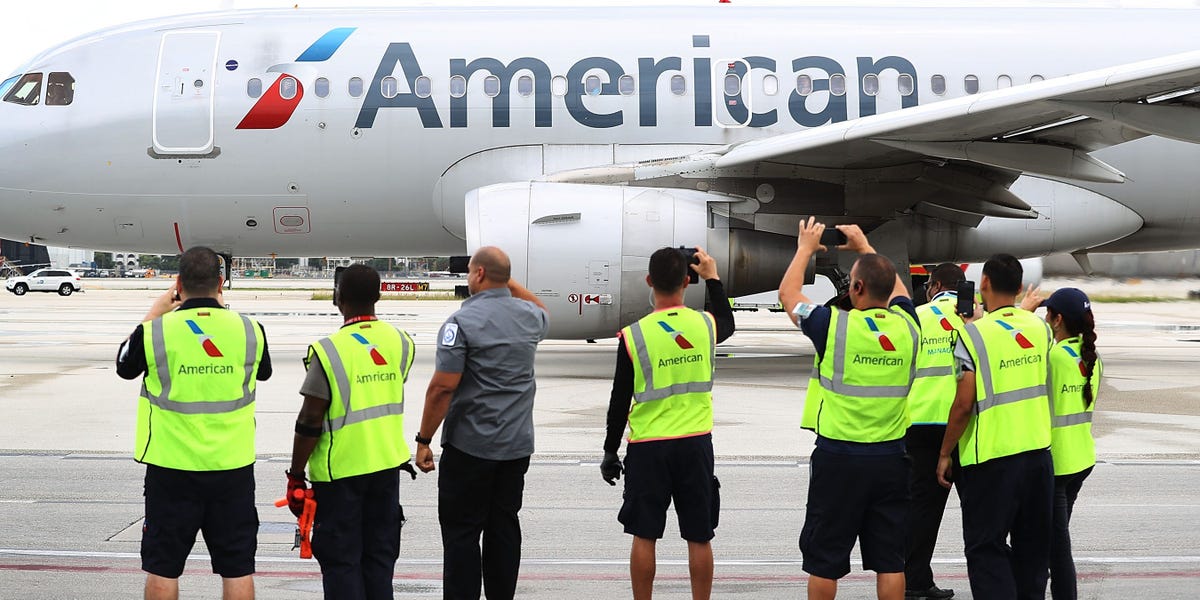
Aviation careers in the United States continue to attract both domestic and international professionals. The country faces rising demand for experienced pilots, air traffic controllers, aircraft maintenance technicians, flight engineers, and aviation managers. Many of these roles pay between $100,000 and $250,000 annually, depending on experience, certifications, and employer. Commercial airlines, private charter companies, cargo operators, and government agencies constantly recruit new talent. Visa Sponsorship Opportunities also exist for several aviation positions when employers cannot fill roles locally. The rapid growth of air travel, corporate aviation, cargo logistics, and military contracting creates long-term career possibilities. Furthermore, retirement rates among senior pilots and aviation staff have opened thousands of positions that need immediate replacement. This article explores aviation jobs offering six-figure salaries, along with industry insights, employer types, and growth opportunities. Each section maintains clarity while guiding job seekers toward high-paying roles across the aviation industry.
Commercial Airline Pilot Roles Paying $120,000 to $250,000
Commercial pilots remain among the highest earners in aviation. Major airlines like American Airlines, Delta Air Lines, United Airlines, and Southwest Airlines offer salaries starting around $120,000 for first officers. Captains with several years of experience can earn between $200,000 and $250,000. Regional airlines such as SkyWest, Endeavor Air, and Envoy Air often serve as stepping stones for pilots aiming to join top carriers. Transition words like “furthermore” and “additionally” highlight how signing bonuses and incentive pay raise total compensation. Many pilots receive extra income through overtime and international flight assignments. The demand for long-haul pilots has grown due to recovering travel volumes. Airlines based in large hubs such as Atlanta, Dallas, Chicago, and New York need more cockpit crew. Visa Sponsorship Opportunities occasionally appear when airlines cannot find enough qualified pilots locally. Flight schools feeding into commercial carriers often report shortages in certified pilots with the required flight hours. Experienced aviators with Airline Transport Pilot licenses can build fast-track careers. The industry rewards discipline, technical skills, and safety records. Many pilots continue training while working to upgrade their certifications for higher-paying captain roles.
Cargo and Freight Pilot Jobs Offering $110,000 to $230,000
Aviation professionals working in cargo transport benefit from some of the highest-paying opportunities. Companies like FedEx, UPS Airlines, Atlas Air, and DHL Aviation offer six-figure salaries with steady schedules. First officers at cargo carriers typically earn $110,000 to $150,000. Captains can make between $180,000 and $230,000 depending on routes and aircraft types. Transition words such as “meanwhile” and “likewise” demonstrate the competitive nature of cargo fleets. Many operate large aircraft like Boeing 747s, 767s, or Airbus freighters. These roles require strong technical knowledge and the ability to manage long-haul flights with limited passengers. Cargo pilots often receive additional allowances for overnight stops, international travel, and weekend assignments. Demand continues to rise because of e-commerce growth and supply chain expansion. Some employers provide Visa Sponsorship Opportunities when skilled pilots are not locally available. International pilots with type ratings on large transport aircraft can stand out. Cargo operations also offer stability during economic shifts, since freight needs remain consistent. Retirement trends among senior pilots continue to create vacancies. Aviation professionals who enjoy structured schedules and minimal passenger interaction often prefer the cargo sector. Companies also provide strong benefits that include healthcare, retirement plans, travel privileges, and training allowances.
Corporate and Private Jet Pilot Careers Paying $100,000 to $200,000
Corporate aviation offers attractive compensation for private jet pilots. Employers like NetJets, Flexjet, Wheels Up, and large companies with in-house fleets pay salaries above $100,000. Captains operating long-range jets, such as Gulfstream or Bombardier models, can reach $180,000 or more. Business executives, celebrities, and high-net-worth investors rely on private aviation for flexibility and privacy. Transition words such as “also” and “as a result” show the consistent need for multilingual, safety-focused pilots. Schedules can differ from airline roles, often including on-call periods and diverse destinations. Many private aviation pilots train on multiple aircraft types. Visa Sponsorship Opportunities may exist through charter firms seeking international experience. Corporate pilots also receive housing allowances, travel benefits, per diem payments, and performance bonuses. Companies in finance, technology, real estate, and entertainment maintain private aircraft for rapid travel between meetings and events. The ability to provide excellent customer service while managing technical responsibilities increases earning potential. Job growth in private aviation continues to rise as more businesses invest in corporate travel. Many retired commercial pilots transition to private jet roles due to flexibility and lifestyle considerations. The sector rewards professionalism, adaptability, and confidentiality.
Air Traffic Control Positions Paying $100,000 to $190,000
Air traffic controllers ensure safe aircraft movement at airports and in controlled airspace. The Federal Aviation Administration employs thousands of controllers across the United States. Salaries often begin near $100,000 and can exceed $170,000 with experience. Transition words like “in addition” and “therefore” emphasize the high responsibility associated with these positions. Many controllers work in towers, terminal radar facilities, and en-route centers. Large hubs like Atlanta, Los Angeles, and Denver require controllers with advanced training. Some private contractors also hire controllers for non-federal facilities. Controllers must complete rigorous testing and meet medical standards. Overtime pay, night shifts, and holiday assignments can raise yearly income. Many professionals retire early due to the fast-paced nature of the job, creating additional vacancies. While Visa Sponsorship Opportunities are less common in federal roles, some private sector employers may consider foreign specialists with equivalent credentials. The profession offers strong retirement benefits and structured career progression. The combination of stress tolerance and communication skill leads to high earnings. Controllers continue to play a crucial role in national transportation safety.
Aircraft Maintenance and Engineering Roles Paying $100,000 to $180,000
Aircraft maintenance professionals ensure safety and reliability across fleets. Mechanics, avionics technicians, and aerospace engineers often earn between $100,000 and $150,000. Senior specialists and managers can reach $180,000. Employers such as Boeing, Lockheed Martin, Delta TechOps, and American Airlines facilities hire experienced staff. Transition words like “furthermore” and “consequently” illustrate the need for advanced certifications. Roles frequently require Airframe and Powerplant licenses or aerospace engineering degrees. Maintenance teams handle inspections, repairs, modifications, and compliance checks. Cargo companies and private jet operators also need skilled technicians. Visa Sponsorship Opportunities sometimes emerge when companies cannot meet demand locally. Avionics specialists with digital systems training stand out. Engineering roles involve designing components, testing systems, and improving performance. Many companies offer bonuses and relocation packages to fill technical gaps. Opportunities exist in states like Texas, Georgia, Arizona, and Ohio. Retirement trends and industry expansion create long-term career potential. Military veterans with aircraft experience often transition into these roles. Consistent training and certification upgrades help employees move into leadership positions.
Aviation Safety, Compliance, and Management Jobs Paying Up to $200,000
Aviation safety specialists protect passengers, crews, and aircraft. Roles in safety compliance, quality assurance, and regulatory affairs often pay from $110,000 to $180,000. Senior managers and directors may reach $200,000. Employers include airlines, manufacturing firms, airports, and federal agencies. Transition words such as “also” and “likewise” show how compliance roles affect every stage of aviation. Safety managers oversee audits, training, investigations, and risk assessments. Regulatory compliance officers ensure that flight operations meet FAA and international standards. Some roles require knowledge of IOSA, ICAO, and IATA regulations. Visa Sponsorship Opportunities can apply when firms seek specialized global experience. Salaries increase with leadership responsibilities and advanced certifications. Airport authorities, air charter companies, and aerospace contractors also hire safety professionals. Many roles require communication with pilots, engineers, and technicians. The industry values analytical thinking and quick decision-making. The continued focus on operational standards drives job security. Safety careers allow professionals to combine technical knowledge with strategic leadership.
Aviation Management and Airport Operations Paying $100,000 to $180,000
Airport operations and aviation management roles support flight logistics, customer services, and strategic planning. Airport managers, operations directors, and aviation planners typically earn between $110,000 and $160,000. Senior executives can reach $180,000. Transition words like “in addition” and “therefore” show how complex airport systems require skilled professionals. Large airports in cities like Chicago, New York, Miami, and San Francisco hire experts to handle expansion projects, passenger flow, and safety protocols. Some roles involve partnerships with airlines, government agencies, and private investors. Visa Sponsorship Opportunities may appear when expertise is scarce. Management roles cover budgeting, staffing, security coordination, and emergency planning. Many positions also include travel benefits and retirement plans. Experience in logistics and transportation policy adds value. Airport development continues due to rising passenger volumes and cargo demand. This growth creates more leadership positions with competitive salaries. Experienced professionals can move into consulting roles or federal administration. The sector offers both stability and long-term advancement.
Flight Instructors and Training Captains Earning $100,000 to $170,000
Flight instructors play a crucial role in training new pilots. Salaries for experienced instructors range from $100,000 to $140,000. Training captains working with major airlines or aviation academies can earn up to $170,000. Transition words such as “also” and “next” show the importance of quality training in pilot development. Employers include Embry-Riddle, CAE, ATP Flight School, and university aviation programs. Airline training departments need instructors for simulators, classroom sessions, and in-flight evaluations. Visa Sponsorship Opportunities sometimes exist, especially for instructors with multi-type ratings or long flight hours. Some instructors transition to airline roles after training others. Flight academies across states like Florida, Arizona, and Texas report instructor shortages. Pay packages may include housing stipends, relocation aid, and tuition assistance. Simulator instructors working on wide-body jets can earn higher wages. Airline training centers also require check airmen and examiners. Career growth remains strong due to the global pilot shortage. Instructors shape aviation safety and ensure high standards.
How to Access High-paying Aviation Careers and Sponsorship
Securing aviation jobs with six-figure salaries requires planning and certification. Professionals should begin by earning relevant licenses, degrees, and ratings. Transition words like “first” and “afterward” show step-by-step progression. Pilots must obtain commercial or ATP licenses, while mechanics need A&P certification. Engineers benefit from aerospace or mechanical engineering degrees. Candidates should apply to airlines, cargo fleets, and charter companies. Many employers display Visa Sponsorship Opportunities when skills are in short supply. Networking through aviation associations and training schools increases access. Job platforms highlight positions in airlines, airports, logistics firms, and manufacturing companies. Candidates should emphasize flight hours, technical training, or aircraft type ratings. Interview preparation, strong communication skills, and medical clearance help secure offers. Companies may provide relocation aid, training reimbursements, and legal visa support. Salaries often rise with seniority, additional certifications, or specialized roles. Persistence remains important due to competition and hiring cycles. The aviation industry continues to expand globally, offering long-term career growth.
Conclusion
Aviation careers in the United States provide exceptional earning potential across multiple roles. Pilots, air traffic controllers, engineers, technicians, aviation managers, and safety specialists can earn between $100,000 and $250,000 annually. Major airlines, cargo carriers, private jet firms, and airport authorities recruit skilled professionals every year. Visa Sponsorship Opportunities arise when employers cannot fill critical positions locally. Retirement trends, increased passenger demand, and growth in cargo logistics drive job creation. Aviation offers structured career paths, relocation benefits, and advancement options. With the right training and persistence, professionals can secure stable, high-paying roles. The industry values safety, technical skill, and adaptability. Now is a promising time to pursue aviation careers in the United States.
Frequently Asked Questions (FAQ)
1. Can pilots earn $200,000 in the USA?
Yes. Captains at major airlines and cargo carriers often make $200,000 to $250,000.
2. Do cargo airlines pay well?
Cargo carriers like FedEx and UPS pay pilots between $110,000 and $230,000.
3. Are there Visa Sponsorship Opportunities in aviation?
Some airlines, cargo firms, and engineering companies sponsor visas when skill shortages exist.
4. How much do air traffic controllers make?
Controllers typically earn $100,000 to $170,000 depending on experience and location.
5. Do private jet pilots earn six figures?
Yes. Corporate and charter pilots often make $120,000 to $180,000.
6. What do aircraft mechanics earn?
Certified mechanics and avionics technicians earn $100,000 to $150,000, with managers making $180,000.
7. Can aviation safety managers earn $200,000?
Senior safety and compliance directors can reach $180,000 to $200,000.
8. Are flight instructors well paid?
Experienced instructors and training captains earn $100,000 to $170,000.
9. Which airlines pay the highest salaries?
United, Delta, American Airlines, and major cargo carriers offer the highest pay ranges.
10. How can foreign professionals apply?
They can apply directly to employers, consult recruiters, and search jobs mentioning visa sponsorship.